Product Overview
Specifications
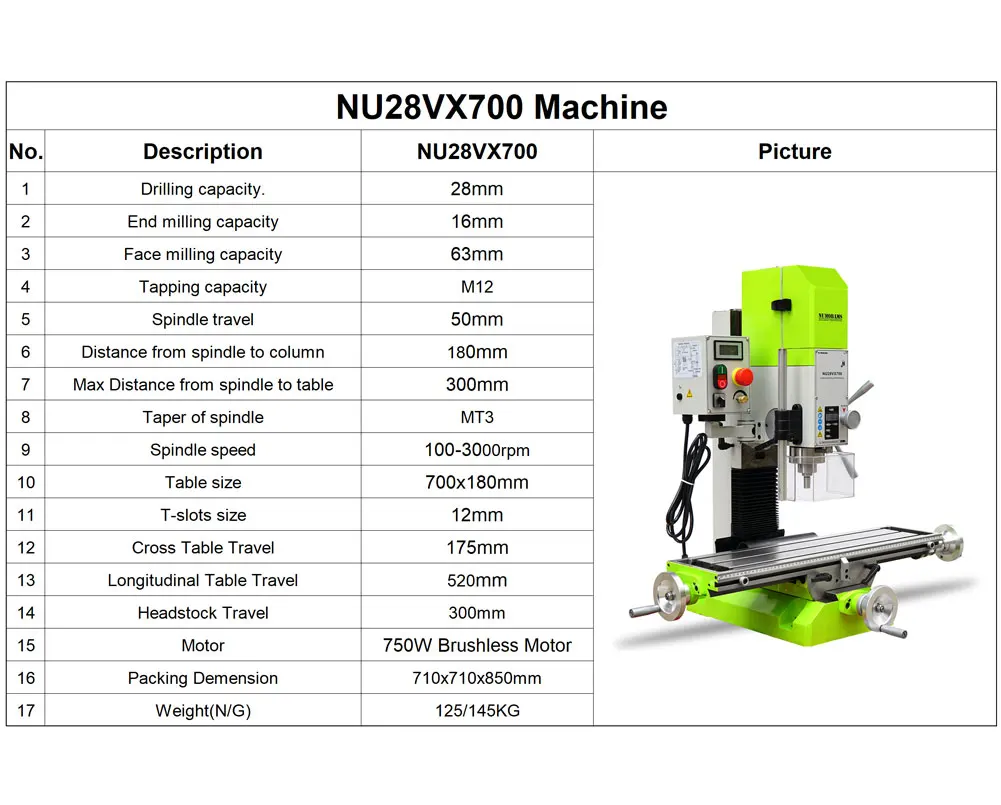
| Parameter |
Value |
| Drilling capacity |
28 mm |
| End milling capacity |
16 mm |
| Face milling capacity |
63 mm |
| Tapping capacity |
M12 |
| Spindle taper |
MT3 spindle as standard, R8 option |
| Spindle travel |
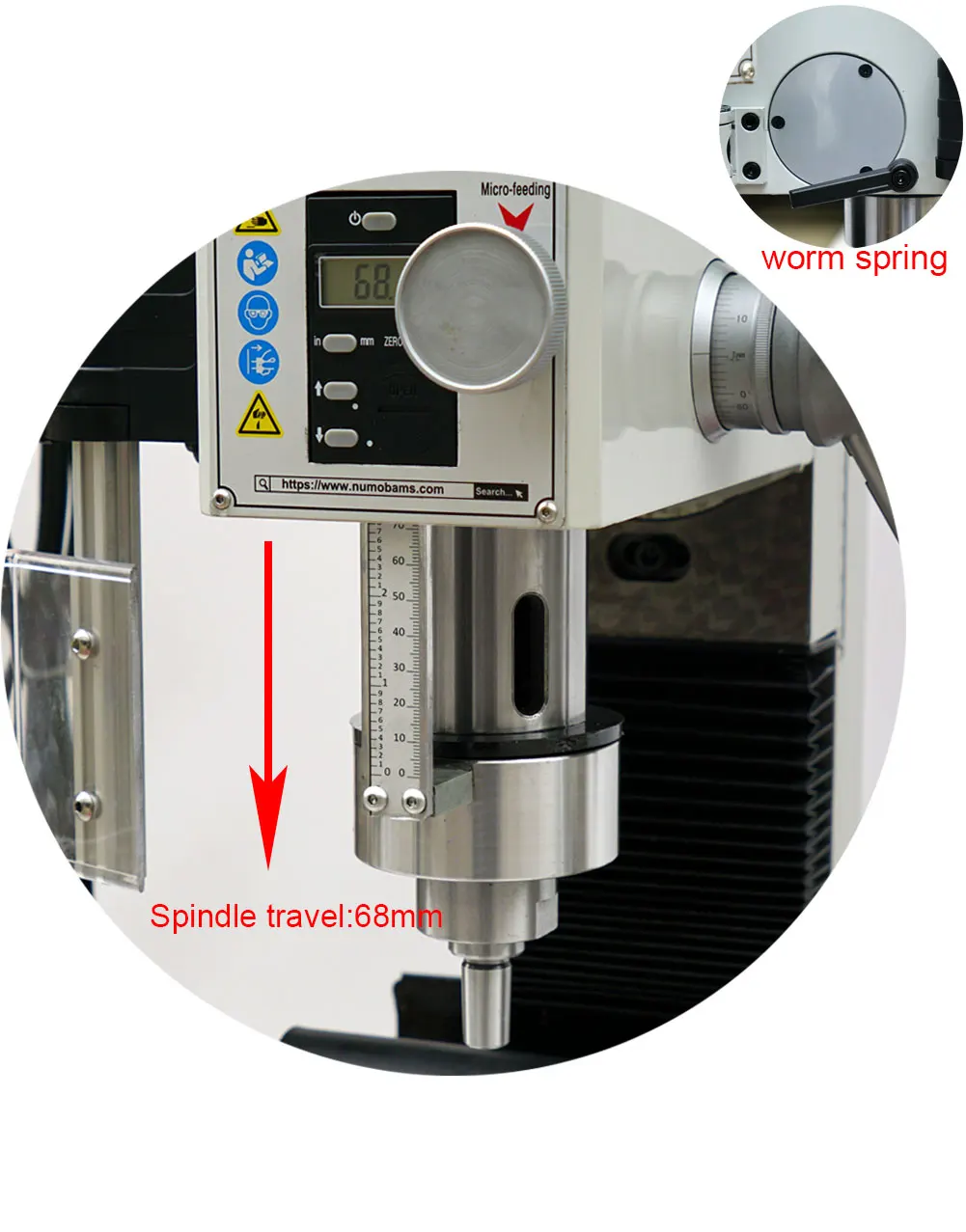
50 mm |
| Spindle speed |
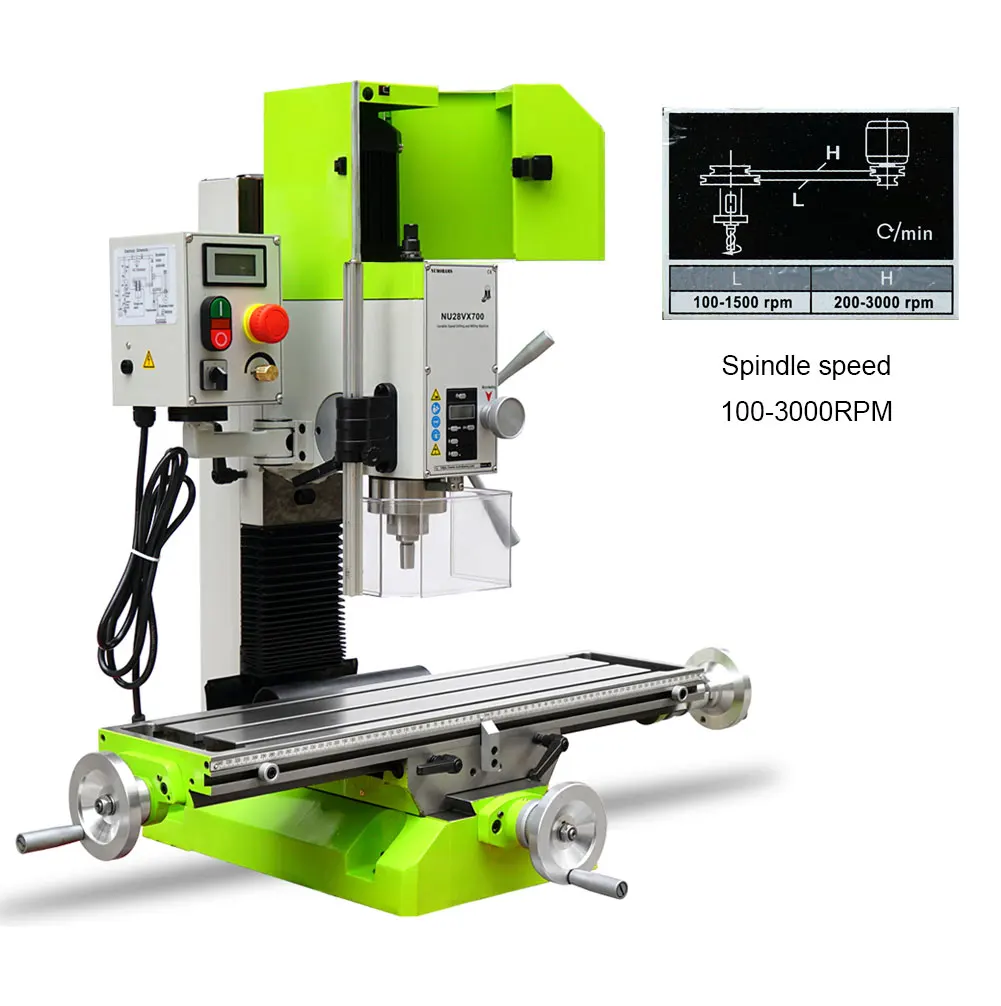
100–3000 rpm, variable |
| Maximum spindle-to-table distance |
300 mm |
| Table size |
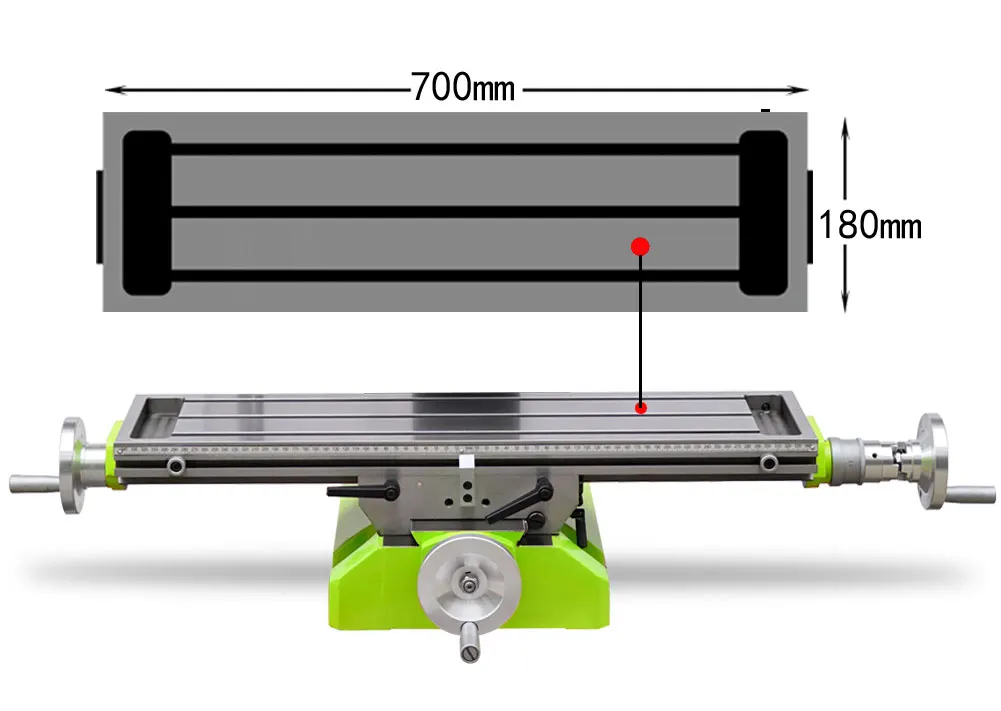
700 × 180 mm |
| T-slot size |
12 mm |
| Longitudinal table travel |
520 mm |
| Cross table travel |
175 mm |
| Motor |
750W brushless milling motor |
| Net / gross weight |
125 / 145 kg |
Column, Table & Spindle Build
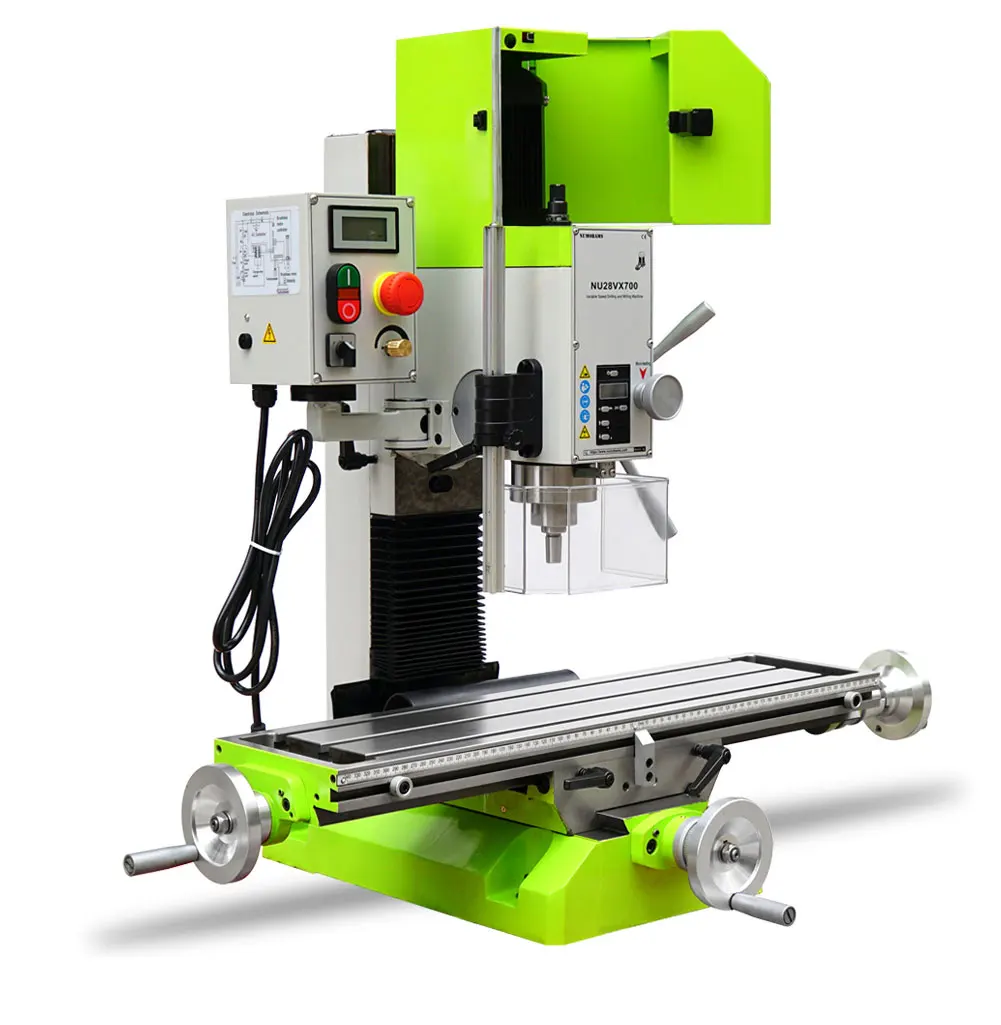
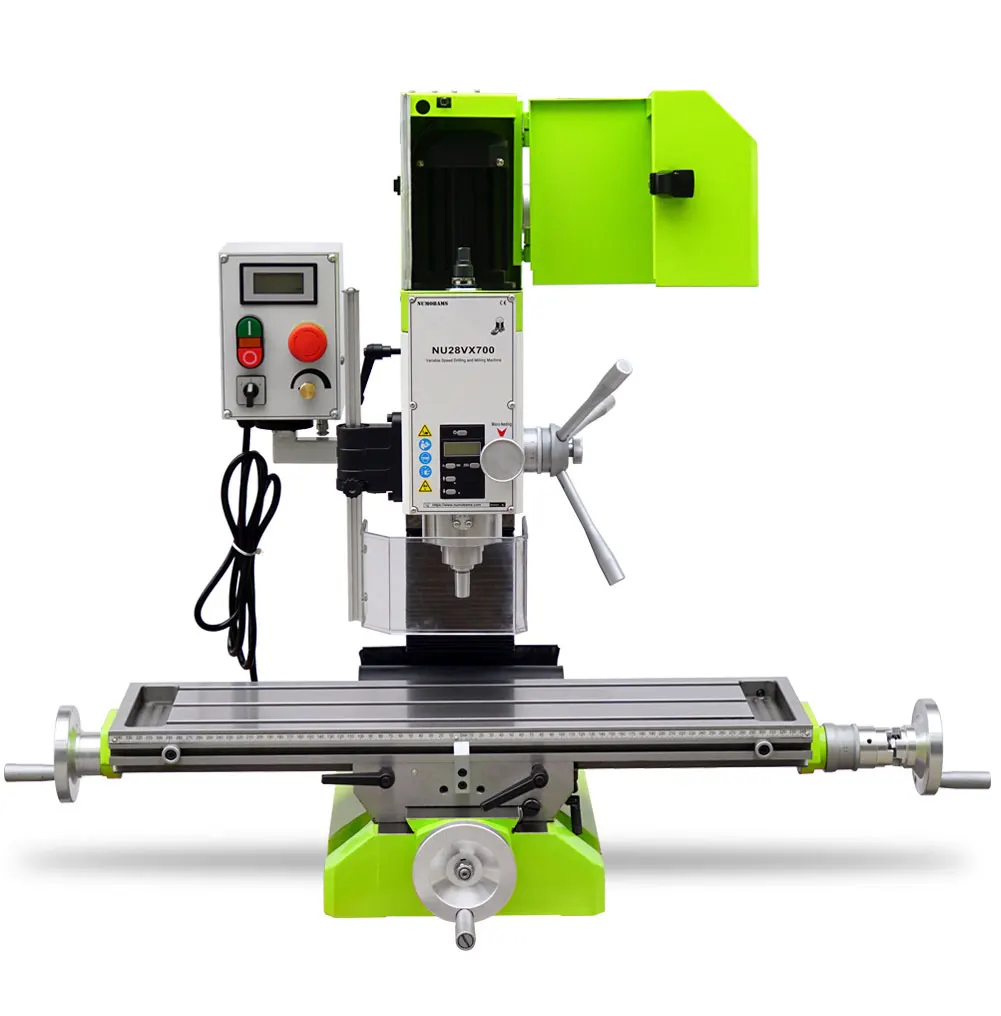
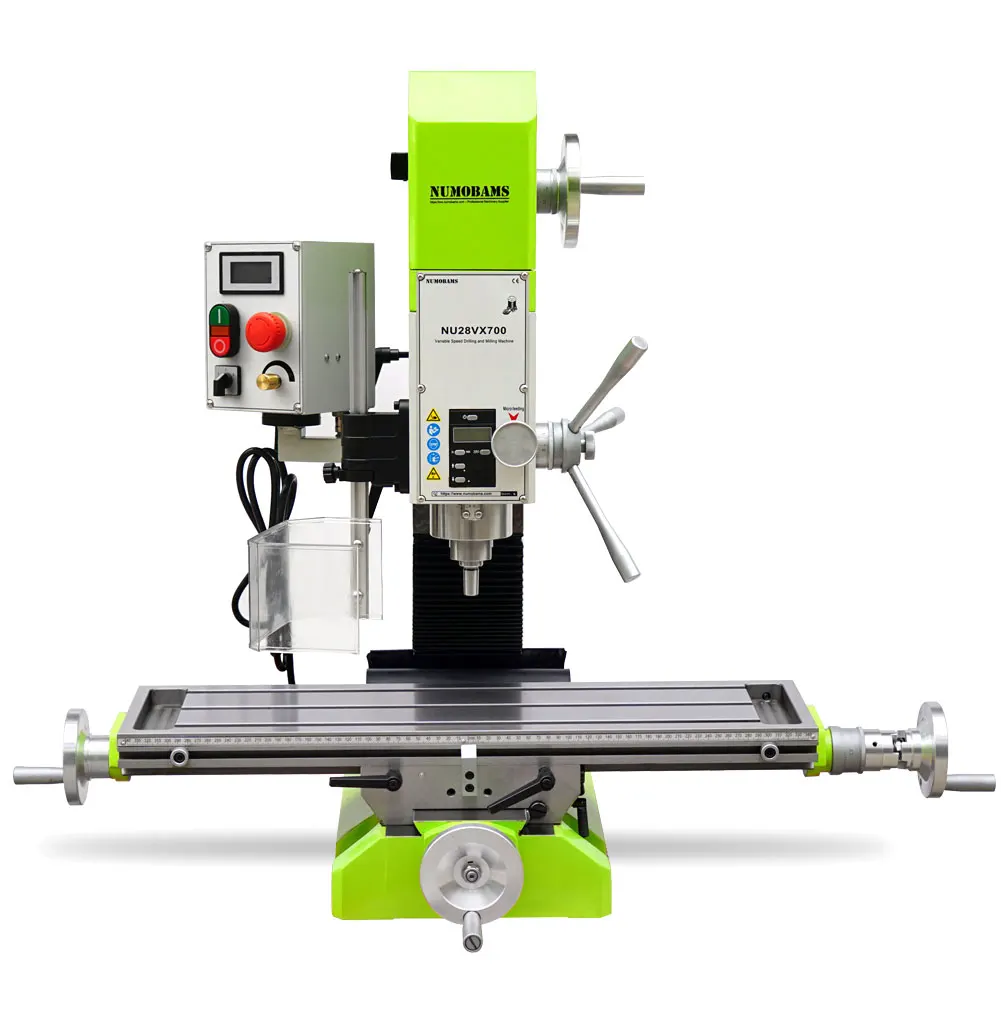
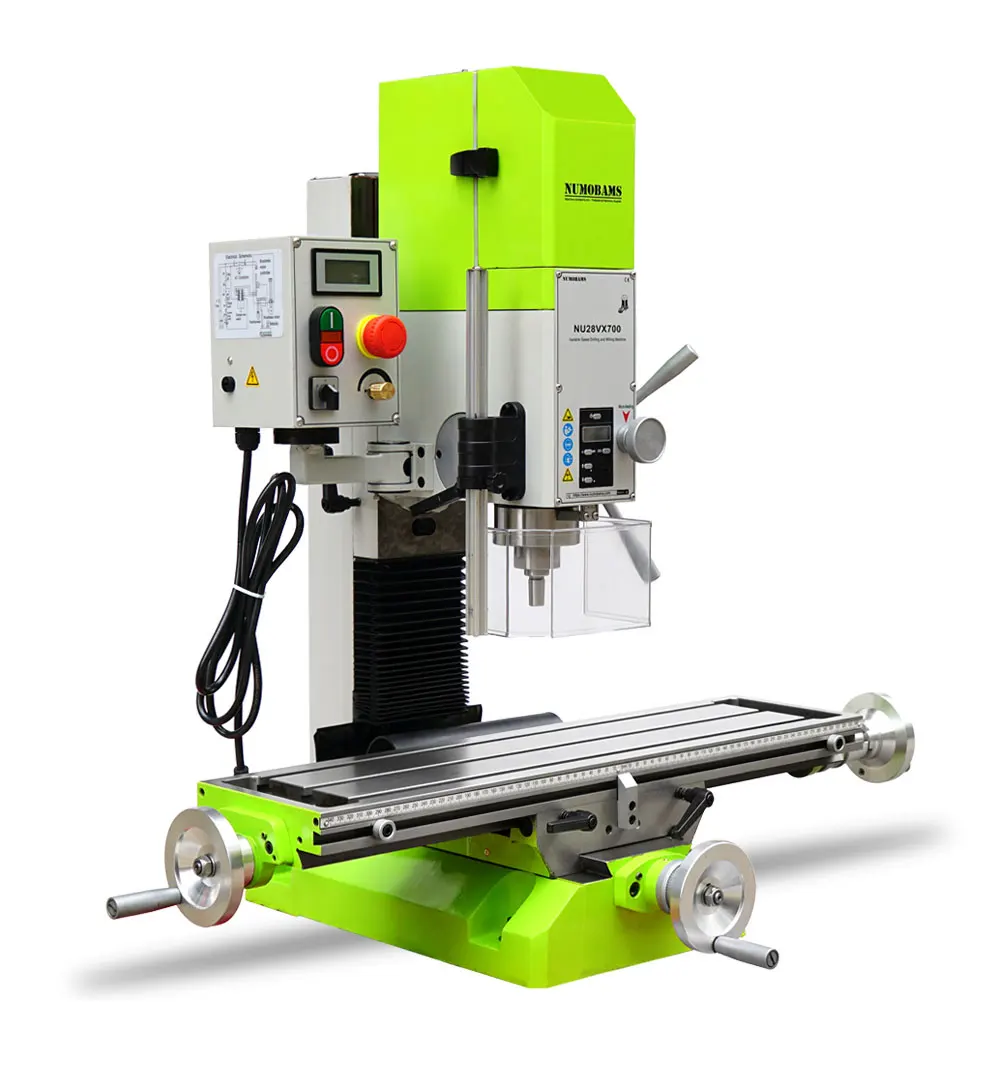
On a metal milling machine the column does most of the work, so that is where this one starts. It is ribbed along its length and machined flat on the face the headstock rides, so the head stays square when you wind it up through its 300 mm of travel for a tall fixture. Spindle nose to column measures 180 mm, and the spindle can sit up to 300 mm above the table — room for a machine vice with a plate in it, and reach enough to run a boring bar.
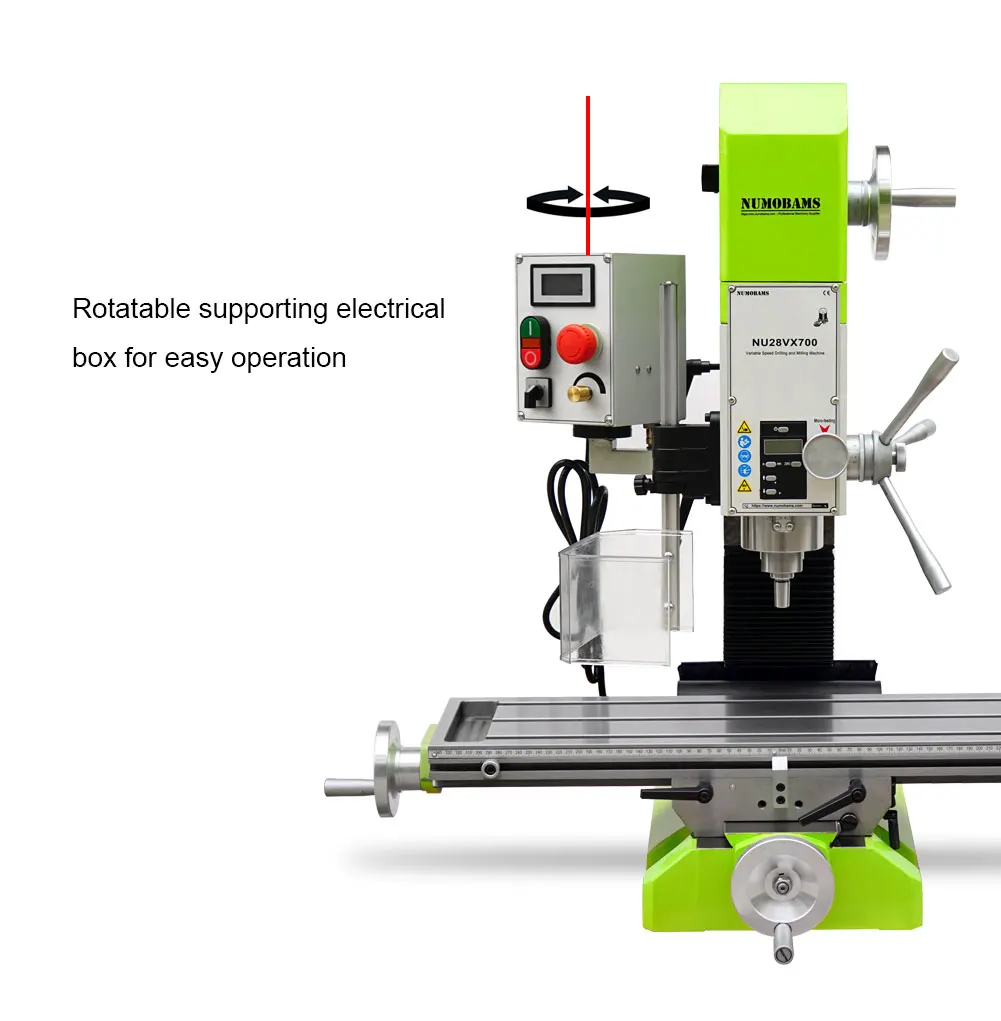
The table is a 700 × 180 mm casting with 12 mm T-slots milled across it for clamps and a vice. Handwheels at the front and the end of the table give 520 mm of longitudinal travel and 175 mm of cross travel, so a long bracket can be moved under the cutter without unclamping it.
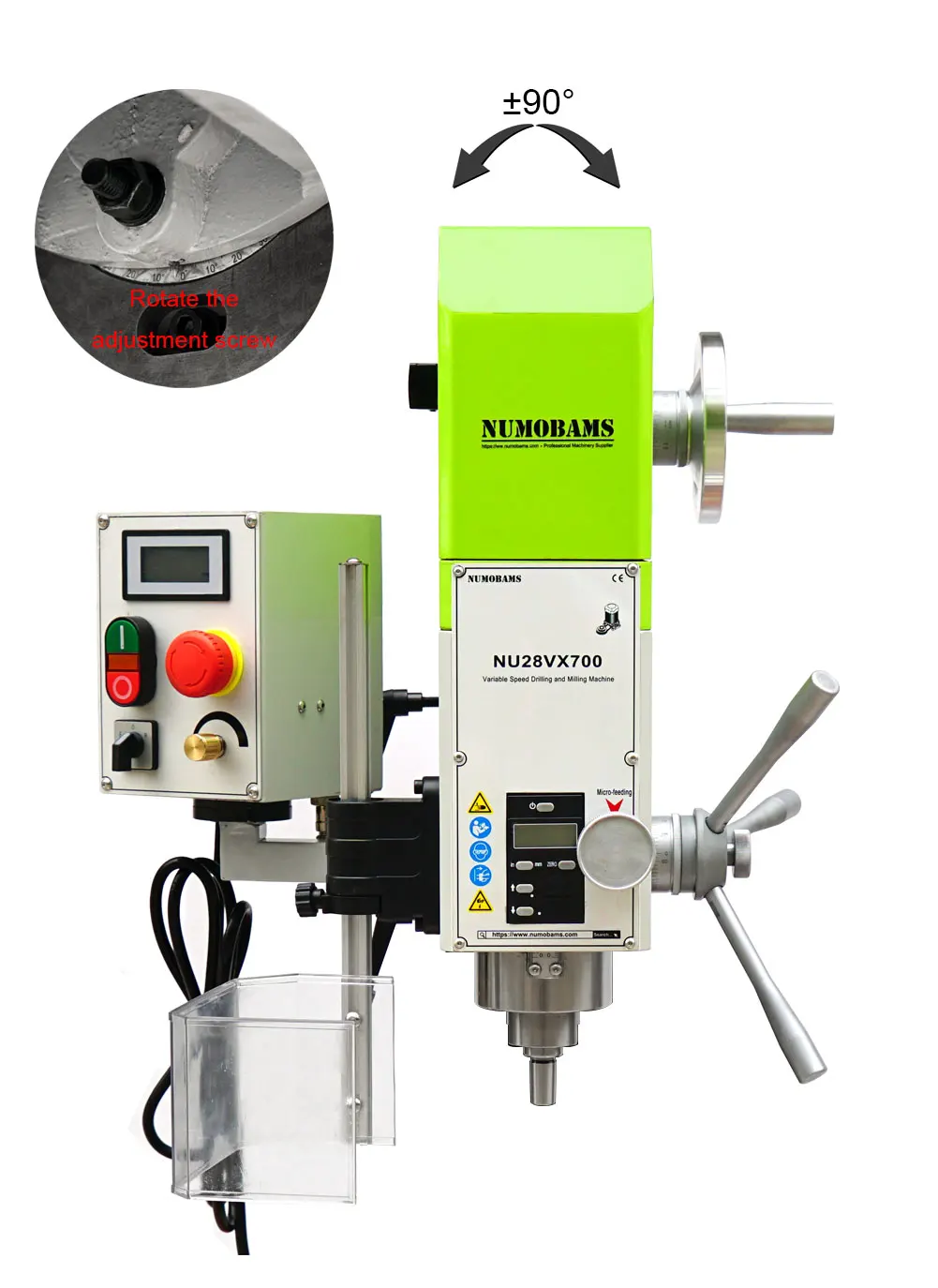
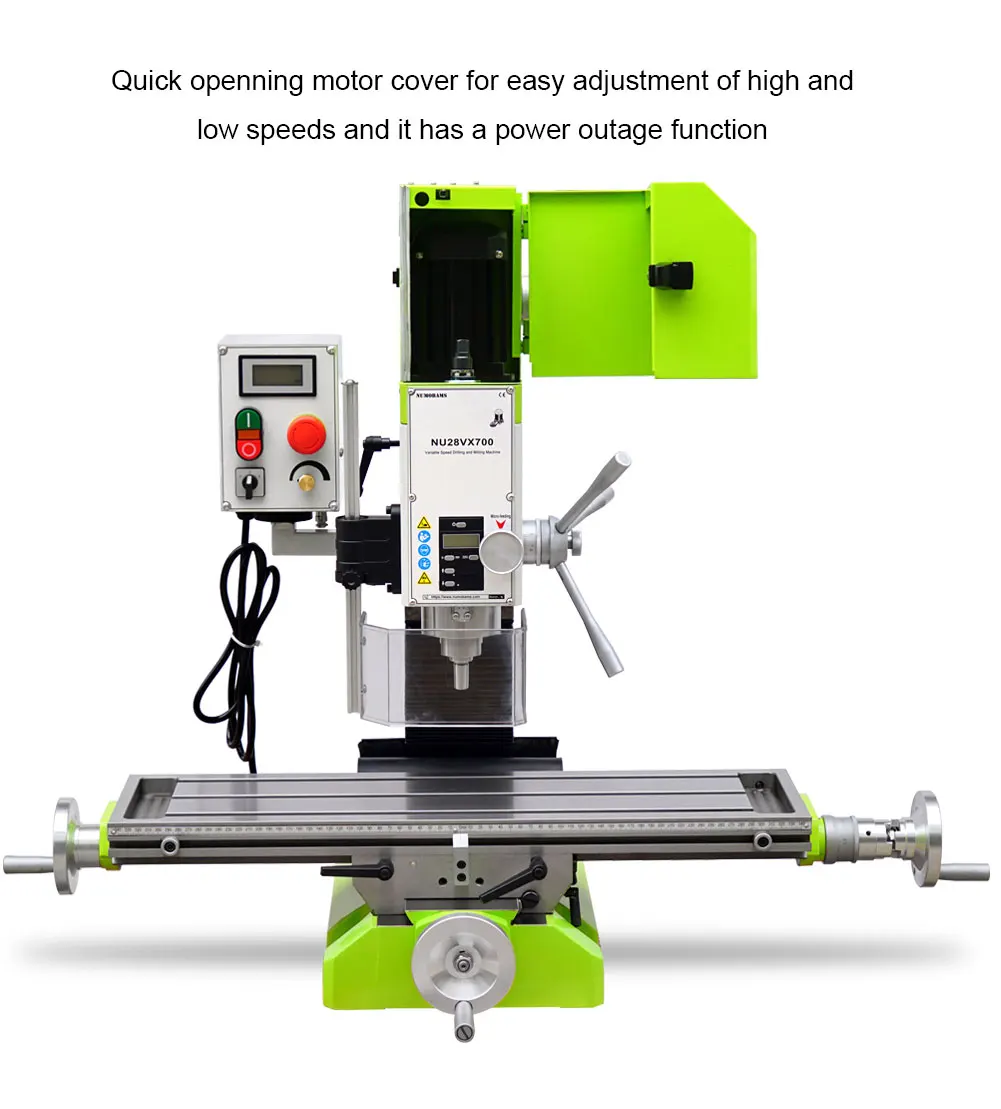
Drive comes from the 750W brushless milling motor through a belt. Open the motor cover at the top, move the belt to the other pulley step and you have changed range; the cover closes again without tools and stays guarded while the spindle runs. A transparent spindle guard covers the cutter and swings aside for tool changes.
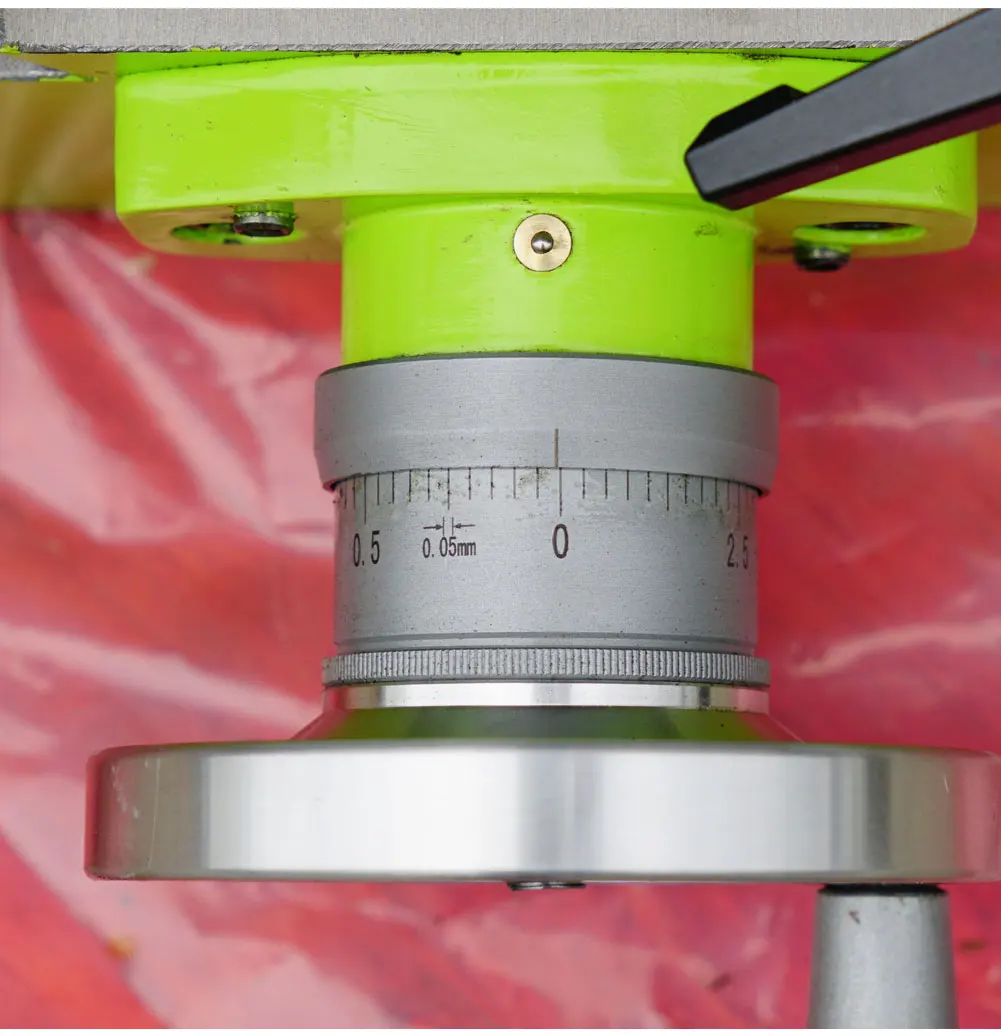
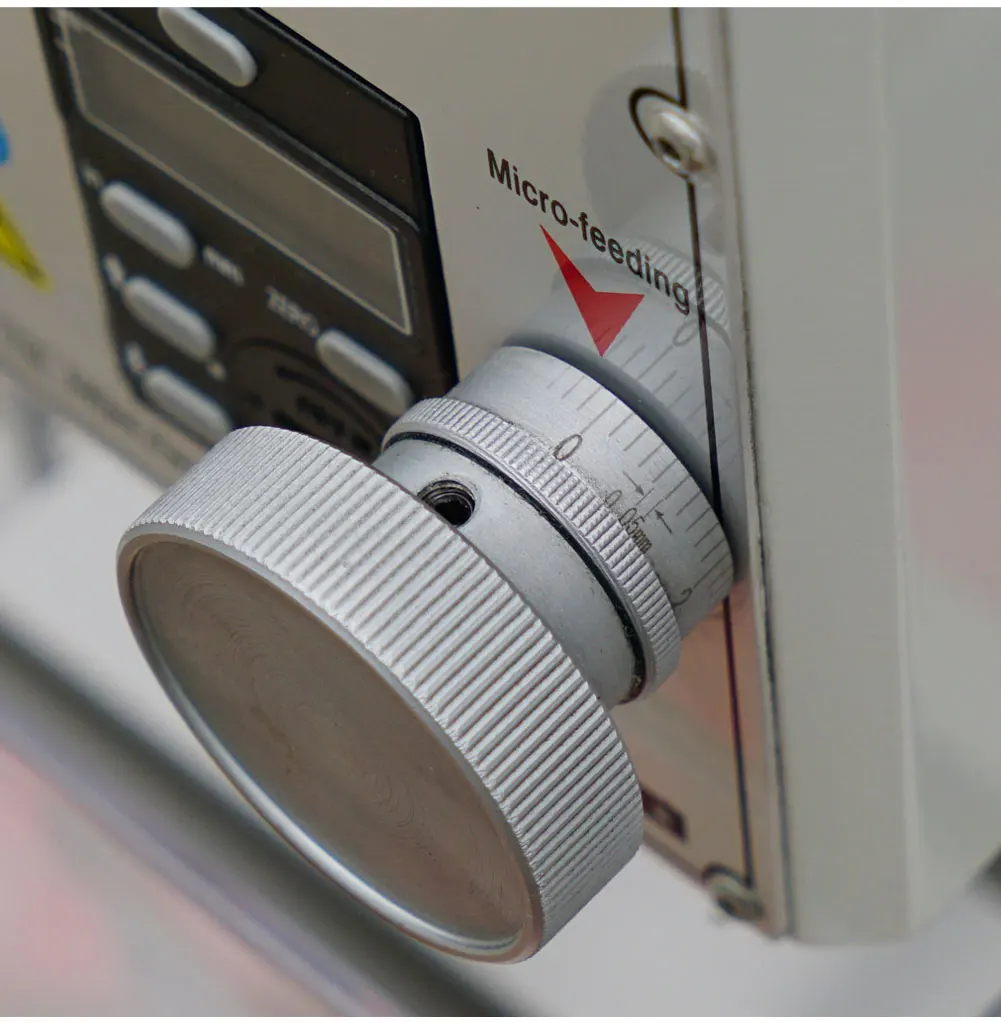
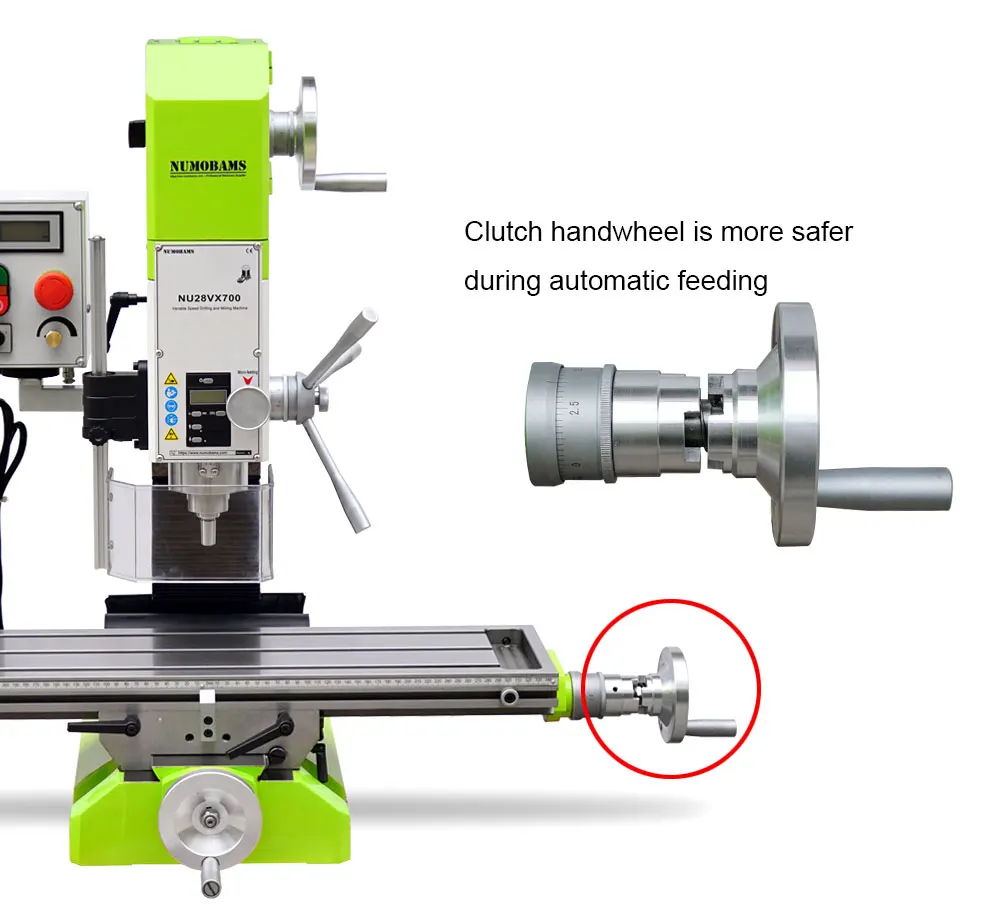
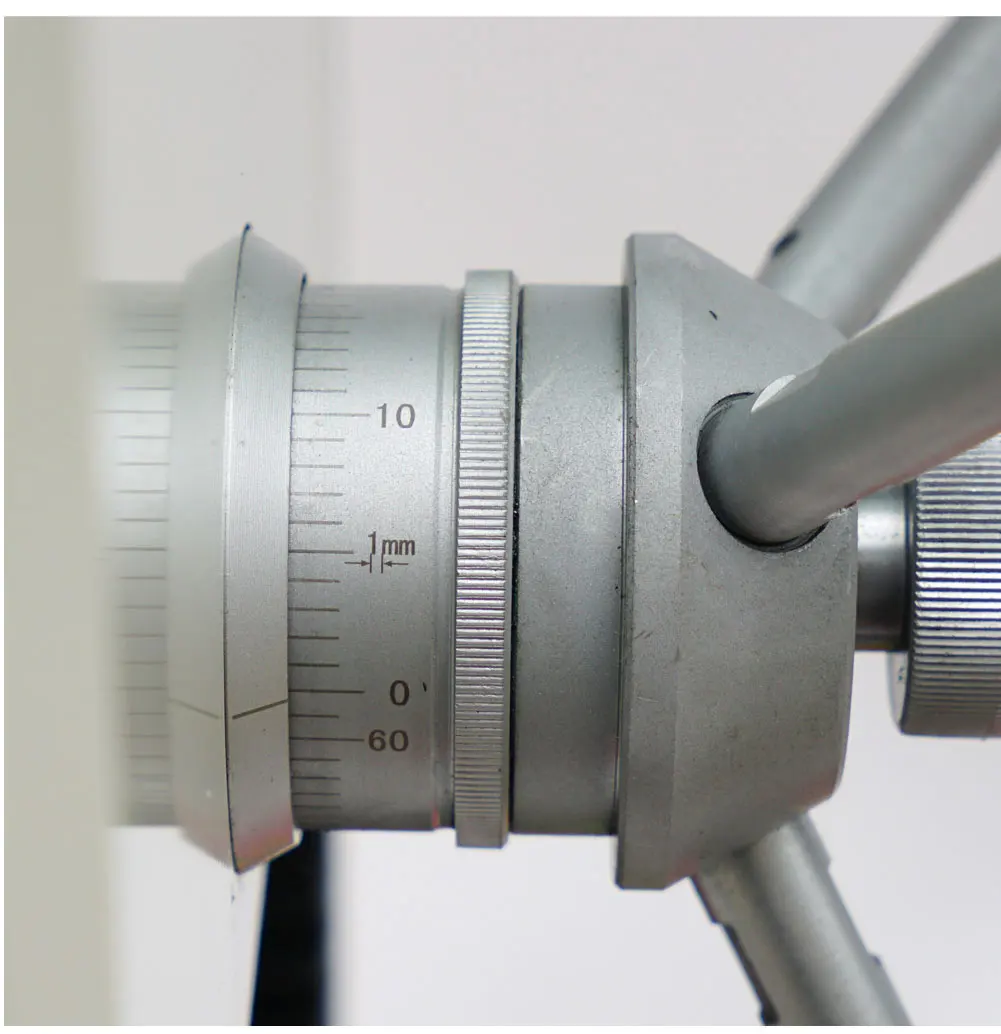
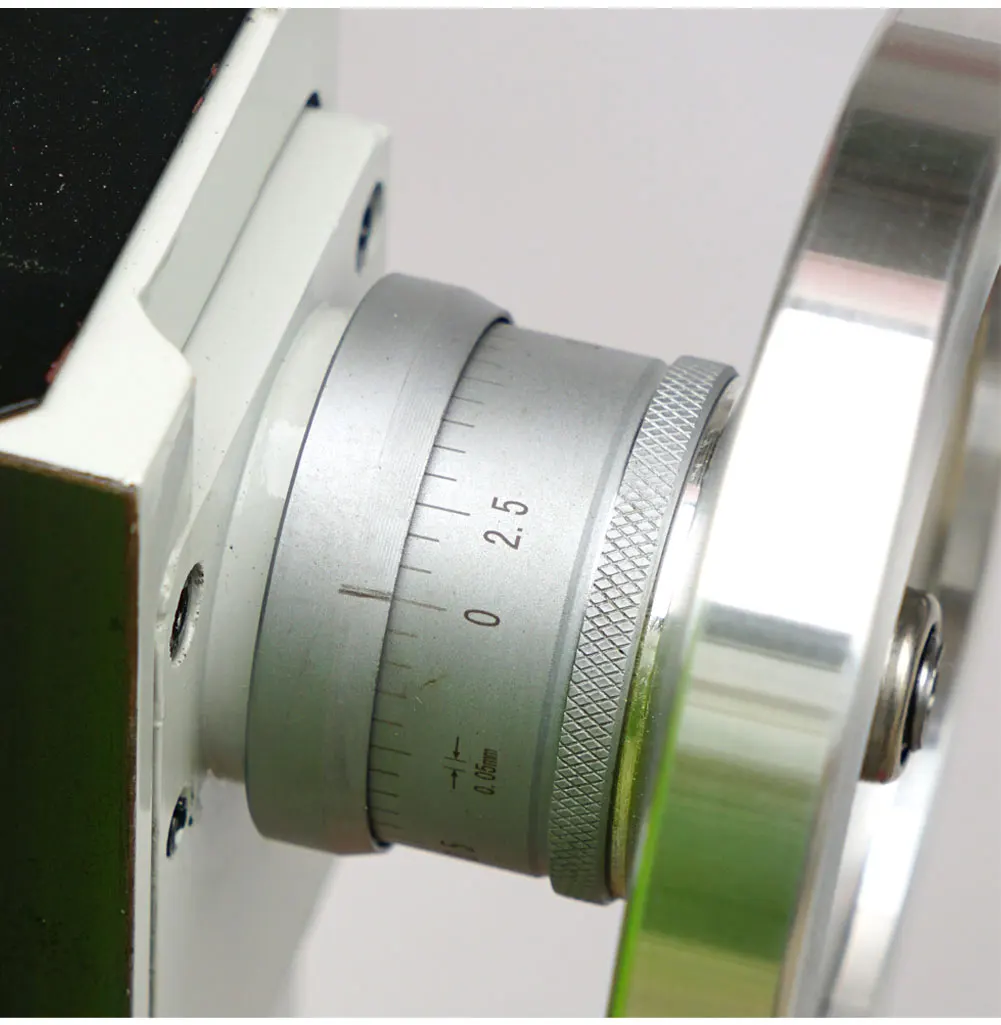
A micro-feeding handwheel on the front of the head brings the quill down in fine increments, with a zero ring you can set to your own start point so a finishing pass repeats from the same datum. The body is finished in painted green panels over machined metal surfaces on the table, column face and quill.
Put together, this is what separates a bench milling machine that only looks the part from one that holds a dimension — the part that matters once you stop reading figures and start cutting. It is also why we buy from the same milling machine suppliers year after year rather than changing on price.
Siting & Speed Changes
- Site it on something solid. The machine needs a rigid bench or a purpose-built stand — a vertical column milling machine of this weight should not sit on anything that flexes — with room at the front for the handwheels and clearance above for the belt cover to open.
- Level the base before the first cut. Put a spirit level on the table in both directions and shim under the base until it reads true; starting level saves you from chasing a taper that is really a twisted bench.
- Fit the tooling for your taper. Seat the collets for the R8 spindle or the MT3 taper, a drill chuck or a face mill arbor cleanly, wiping the taper first so a chip cannot sit between the surfaces.
- Pick the belt range before the speed. Low range (100–1500 rpm) for drilling, tapping and larger cutters; high range (200–3000 rpm) for small end mills and finishing passes.
- Set the speed and read it back. The digital display shows actual spindle speed, so you can confirm the belt is on the step you think it is before the cutter touches metal.
- Clamp the work, then zero the micro-feed. Hold the job in a vice or with T-slot clamps, bring the cutter down to the surface and set the zero ring so depth of cut is measured from the work, not from the handwheel.
- Break in with a light pass on scrap. Take a shallow cut in the material you plan to run and check the finish and the dimension before committing a real part.
Applications & Workholding
- Repair and maintenance benches. Opening a worn mounting hole, facing a weld repair flat or re-cutting a damaged thread — jobs where the part comes to the machine instead of the machine going to the part.
- Fixture and prototype building. Pockets and slots in aluminium plate, dowel holes spotted and drilled in the same clamp, a faced edge to sit on. The bench milling machine stays set up between operations instead of being broken down and re-indicated.
- Model and small-part work. Steam fittings, RC components, instrument brackets — the sort of job that wants a mini milling machine with fine feed rather than a big turret mill you have to indicate in every time.
- Training and apprenticeships. A visible belt change, a guarded spindle and a single control box make the order of speeds and feeds easy to teach, and the machine is forgiving enough for a first test cut.
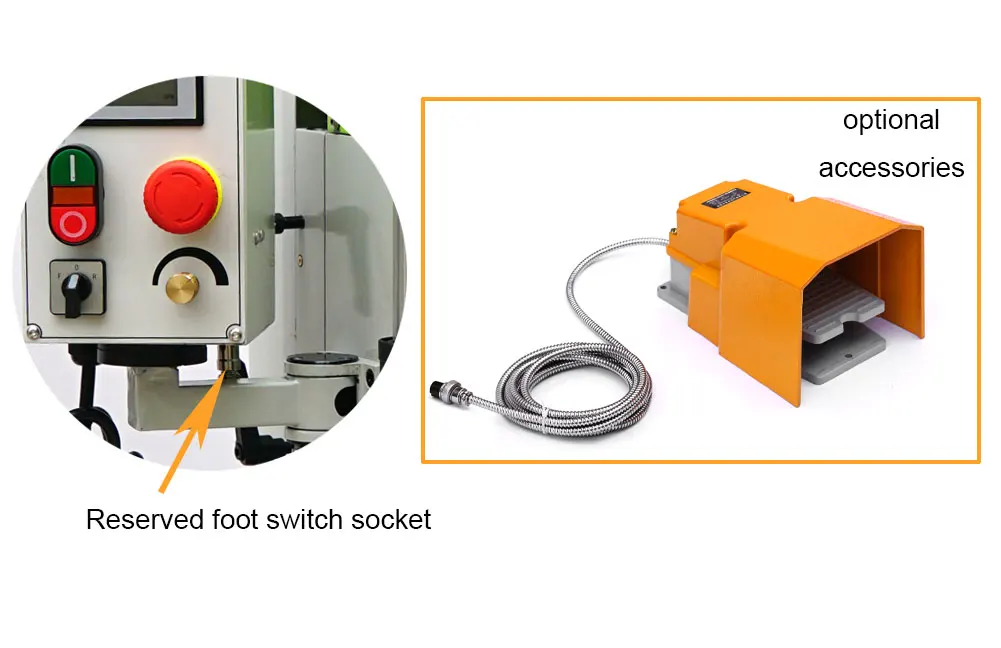
- Small-batch production. With the auto feeder fitted, a run of identical slots or faces can be cut at a steady feed instead of by hand, and the foot brake keeps both hands free to position the work.
- Workholding to plan for. Budget for a machine vice or 12 mm T-slot clamps, a set of parallels and collets to suit the MT3 spindle or R8 taper — the table is ready for them, and a job is only as rigid as what holds it.
Options & Configuration
| Parameter |
Choice |
| Spindle taper |
R8 spindle on request, MT3 as standard |
| Supply voltage |
110V or 220V |
| Configuration |
Standard machine, or machine with auto feeder and foot brake |
| Power feed |
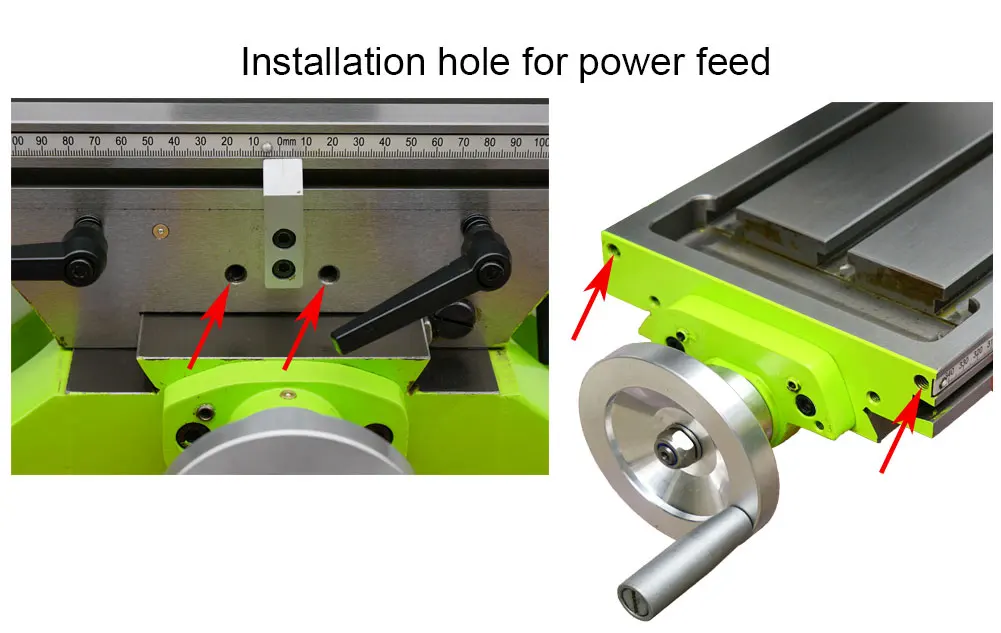
Mounting hole prepared on the column for later fitting |
| Foot switch |
Socket reserved on the electrical box |
| Control box |
Rotatable, so it can be angled towards the operator |
Accuracy Checks & Technical Support
Every unit is adjusted and calibrated before it is crated, so the machine arrives ready to cut rather than ready to be rebuilt. What we stand behind is the working accuracy of the machine as a whole; individual component tolerances are not covered separately.
That is why we ask you to check accuracy with a real cut instead of taking the machine apart. Clamp a piece of scrap, take a light pass and measure what comes off — if something is out, send the photos and the numbers and we will work through it with you. Accuracy problems that follow unauthorised disassembly sit outside what we can support.
The control board is the part most likely to fail on any bench mill, so it is the part we keep available. Boards, belts and the small wear items can be supplied long after the machine is delivered, which matters when the machine is earning money rather than sitting in a hobby corner.
Support runs on photos and short videos. Show us the cut, the finish or the fault, tell us the material and the speed you were running, and you get an answer you can act on — written guidance is not much use when the machine is down.
If you have priced this against quotes from other milling machine suppliers, the difference usually shows up eighteen months later: who answers the message when something is not cutting the way it should.
Ordering & Delivery
- Tell us your power and taper. The machine is built in 110V and 220V versions and takes MT3 as standard or R8 on request; confirm the combination your workshop runs so the right one is set up and crated.
- Decide on the auto feeder. The standard machine is hand-fed; the auto feeder and foot brake version adds powered feed and a pedal on the same head and table. The choice comes down to how much of your work is repetition.
- Place the order and confirm the delivery address. We dispatch within 90 days of order confirmation. Delivery runs on a tax-free, door-to-door basis on the routes we serve — send the full address and we will confirm the route and the paperwork for your country.
- Arrange help for the crate. Packing measures 710 × 710 × 850 mm at 145 kg gross, so plan for a pallet truck, a hoist or two people who know how to lift; the machine should go straight onto its bench.
- Ask for the paperwork you need. A manual and specification sheet travel with the machine, and we can send the electrical information your electrician wants before it lands.
- Know what the warranty covers. The control board carries a 180-day warranty from the day you receive the machine; a failed board sent back inside that window is replaced. Coverage is for the control board, not for every individual component.
- Dealers and multi-machine orders. Equipping several benches or opening a reseller line? Ask for a quotation covering the machines and the tooling together — one package is easier to plan around than a machine arriving without the vice and collets it needs.
- Confirm the details before the crate is built. Collets for your taper, the vice and clamps, the electrical information for your electrician — tell us now. The milling machine manufacturers we work with build to a fixed specification, so the time to change a detail is before the order is released.
More NUMOBAMS Machines
- Super VM25L Plus. 1100W brushless with an auto feeder and foot switch already fitted — the step up when most of your work is steel or you want powered feed from day one.
- Super VM25L. The same 1100W head without the automation, for buyers who want the extra power and will feed by hand.
- VM18L Plus. A 750W DIY metal drilling and milling machine for home workshops — smaller and lighter than this model, if a 700 mm table is more bench than you have.
- Precision mini bench drill. A compact bench drill for model, jewellery and electronics work — for the jobs where a full mill would be more machine than the work needs.
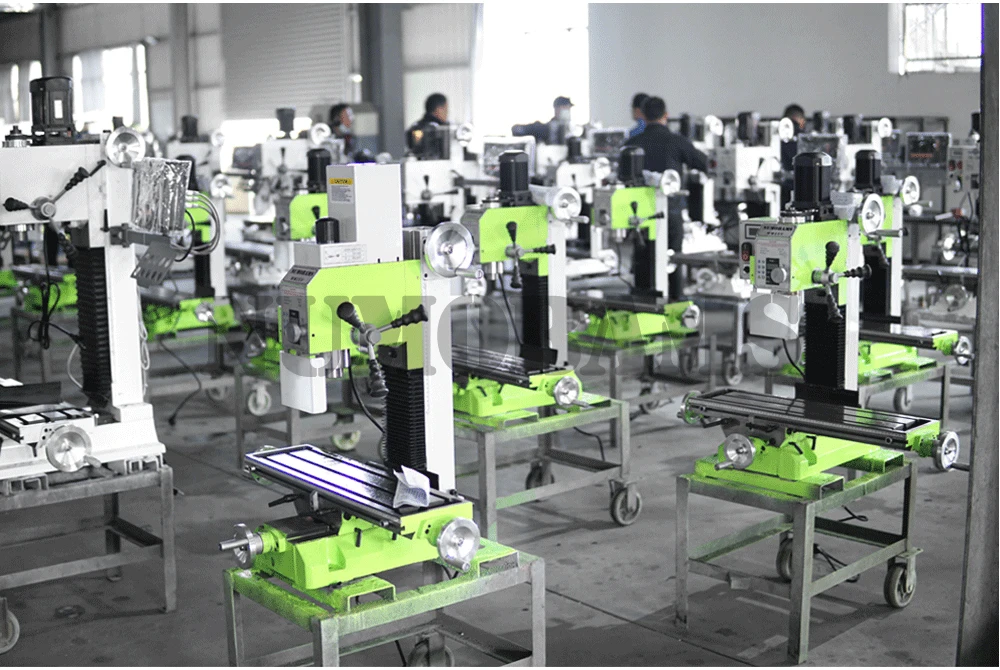
- Where these machines come from. Every model here is built by milling machine manufacturers we have used for years, and we keep the same supplier behind a model so a repeat order arrives the same as the first.
Supply Chain & Delivery Assurance
NUMOBAMS is a China-based machinery trading company working from Changsha, Hunan, with a selected network of manufacturing partners built up since 2016. That position lets us consolidate a full workshop order — machines, tooling and spare parts — into one shipment, inspect and prepare each unit before dispatch, and keep spare parts available long after delivery. We ship to Europe, the US and Canada on a tax-free, door-to-door basis, and usually dispatch within 90 days of order confirmation.
FAQ
Q1. Which spindle taper should I choose, MT3 or R8?
MT3 is the standard and covers most small-shop tooling in this size class. Choose R8 if the collets, chucks or face mill arbors you already own are R8 — the head is built for either taper, so the decision is really about which set of tooling you want to keep using. Tell us when you order, because the taper is fitted to the machine before it is crated.
Q2. Can it run on a 110V supply?
Yes. The machine is built in 110V and 220V versions, and the brushless drive runs from the version you specify. Tell us the voltage of your workshop at the time of order, and have an electrician check the circuit and the earthing before the machine is connected — a bench mill on a long extension lead is never a good arrangement.
Q3. Is this a mini milling machine or a full-size mill?
Bench-top by size, not by capability. The 700 × 180 mm table, 28 mm drilling capacity and 520 mm of longitudinal travel put it well above the smallest bench mills, while the 750W brushless head and the 110V option keep it workable in a garage workshop. Think of it as about as much mill as still belongs against a wall at home.
Q4. What materials can it cut?
It is a metal milling machine first: aluminium, brass, copper and mild steel are its normal diet, with plastics and wood easy work at higher spindle speeds. On steel, keep the depth of cut light and the cutter sharp — the 750W head handles a steady light cut comfortably, but it is not a production machine for hard alloys or deep hogging. If steel is most of what you do, the 1100W VM25L models are the next step up.
Q5. What does the clutch handwheel on the front do?
It is the micro-feed for bringing the quill down in small increments, and the clutch lets you disengage it. During powered or automatic feeding the wheel stays still instead of spinning under your hand or fighting the feed. Set the zero ring to your start point before you begin and each pass can be repeated from the same datum.